
Stairwells aren’t the place to get overly dramatic with lighting. They need to be clear and dependable first.
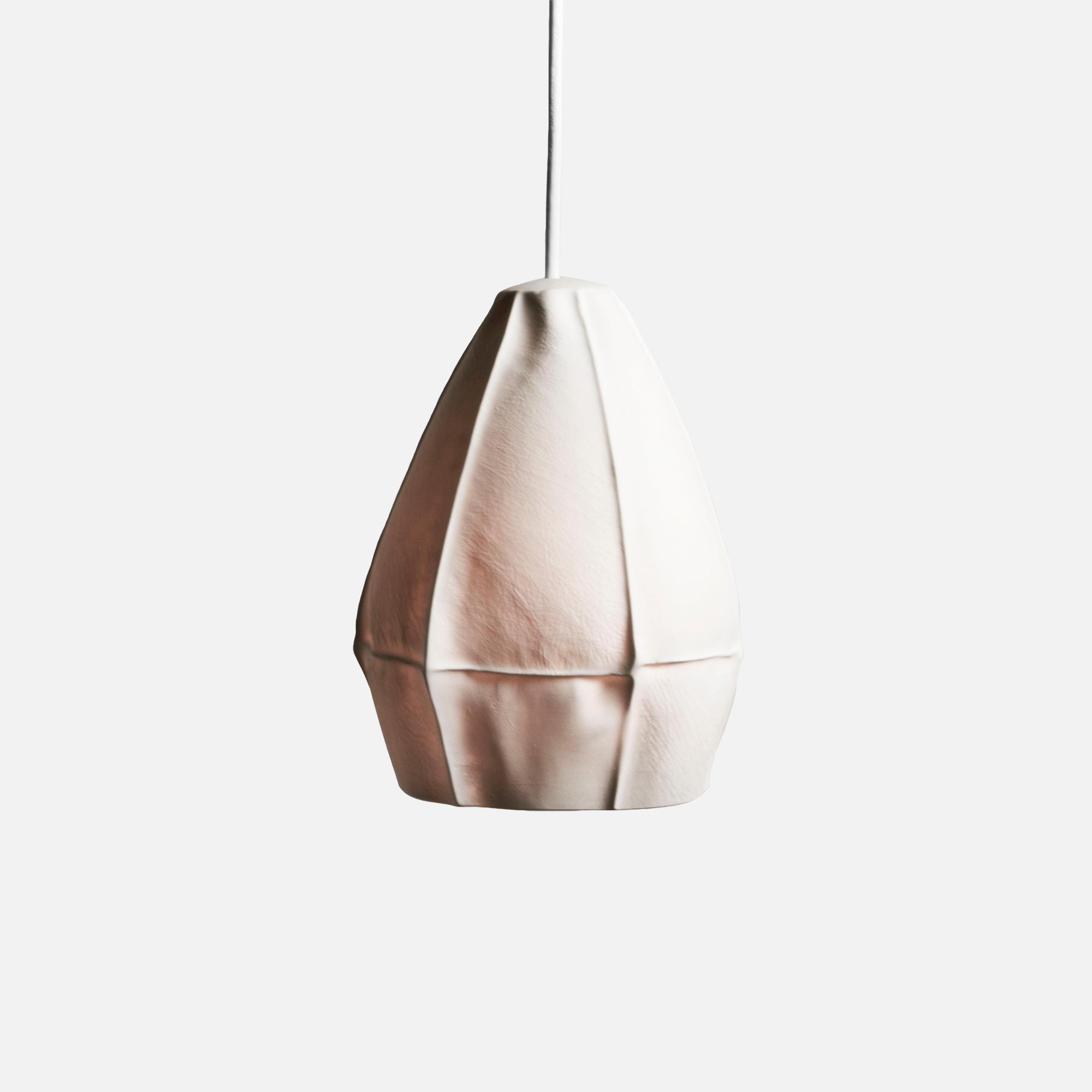
The main goal is simple. You should be able to see every step without thinking about it. That usually means even lighting from top to bottom. Recessed ceiling lights are common because they spread light out without getting in the way. If the stairwell is tall, spacing a few pendant lights or chandeliers evenly keeps the brightness consistent.
Wall sconces are another solid option. Installed along the wall at regular intervals, they help guide you up or down without relying only on overhead light. They also soften the space a bit, which helps in residential settings where a stairwell can otherwise feel stark.
Some people add small step lights closer to the treads. These create a subtle glow along the stairs, which works especially well at night when full overhead lighting feels too bright.
Neutral or slightly warm light tends to feel best. You want clarity, but not something harsh or cold.
The bottom line is that stair lighting should feel steady and reliable. If you’re noticing dramatic shadows or struggling to judge where a step begins, it’s not doing its job.