
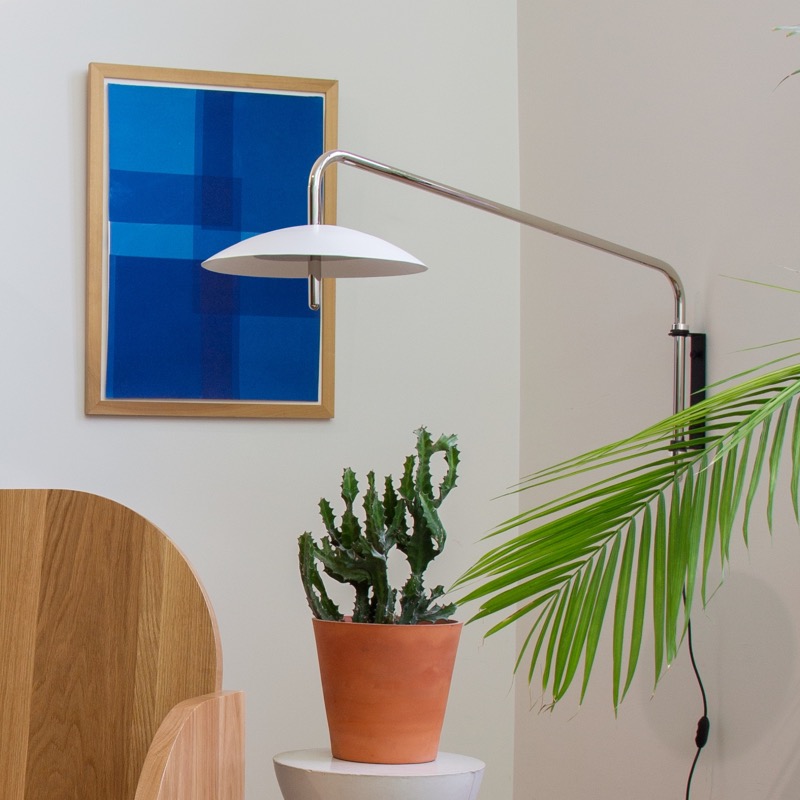
Wall sconces look simple once they are up, but they do come with a few drawbacks.
The biggest one is installation. Unlike table lamps, sconces are usually hardwired into the wall. If there is no existing electrical box where you want the light, adding one means opening up the wall and running new wiring. That adds cost and effort.
They are also fixed in place. Once a sconce is installed, moving it later is not as easy as shifting a lamp across a table. Relocating it involves patching drywall and potentially rerouting electrical lines. Planning ahead matters.
Another limitation is output. A single sconce rarely lights an entire room. It tends to provide localized or directional light. In most cases, it works best alongside a ceiling fixture or other sources.
Placement can be tricky too. Mounted too high, and the bulb may cause glare. Too low, and shadows fall in awkward ways. Getting the height right takes a bit of measuring.
Wall space is another consideration. In smaller rooms, sconces compete with artwork, shelving, and furniture placement.
None of these issues are deal breakers. They simply mean that sconces require more intention than plug in lighting.
When planned properly, they add depth and character. When rushed, they can feel inconvenient.