
Workspace, Startup, & Office Lighting FAQs
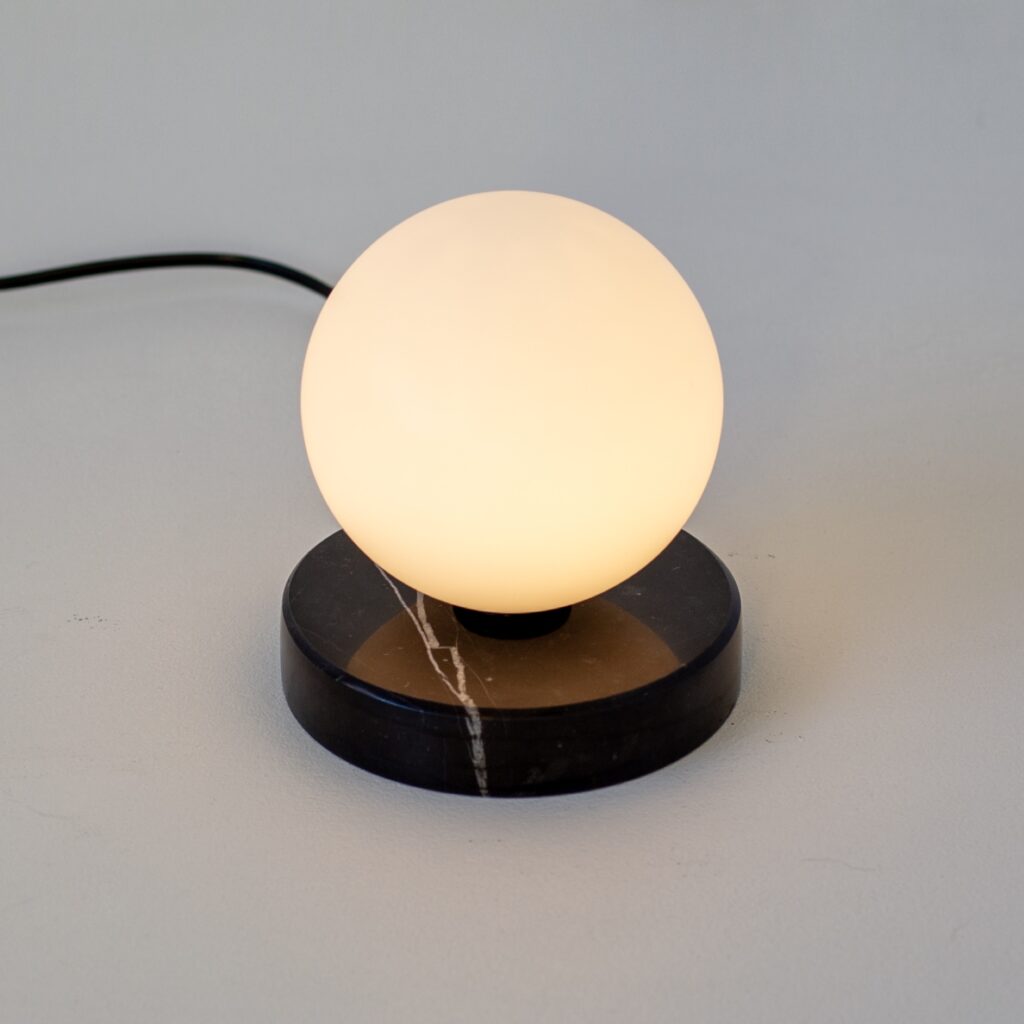
Workspaces, startups, and offices need lighting that holds up over long days. People are on screens, in meetings, moving between focused work and quick conversations. The light should support all of that without calling attention to itself.
One of the first things people look at is overall coverage. Should the entire floor feel evenly lit, or should different areas have their own approach? Desks, conference rooms, and lounge areas usually benefit from slightly different setups, even within the same space. Comfort comes up fast. Bright enough to stay alert, but not so strong that it causes glare on screens or leaves everyone squinting by mid-afternoon. A mix of general lighting and more targeted light tends to feel better than relying on one source.
There are practical details too. Ceiling height, flexible layouts, teams that grow and rearrange furniture. The lighting should still make sense even after the space shifts around. It usually comes down to keeping things clear, comfortable, and adaptable. The questions below walk through placement, brightness, and control so the space feels easy to work in from the first hour to the last.
-
Is Dim Lighting A Hazard In The Workplace?
Dim lighting can cause strain fatigue and safety risks
-
Defined: What is a Desk Light? Desk Lamp Meaning
A small light that focuses on your desk surface.
-
What Is The OSHA Standard For Office Lighting?
OSHA requires lighting adequate for safe task performance
-
What Kind Of Lighting Is Best For An Office?
Office lighting should be bright even and glare controlled
To see additional FAQs sorted into light fixture types, rooms, and basic lighting topics, see Frequently Asked Questions About Lighting.