Can I Install a Wall Sconce Myself?
Yes for simple swaps, otherwise hire a pro.

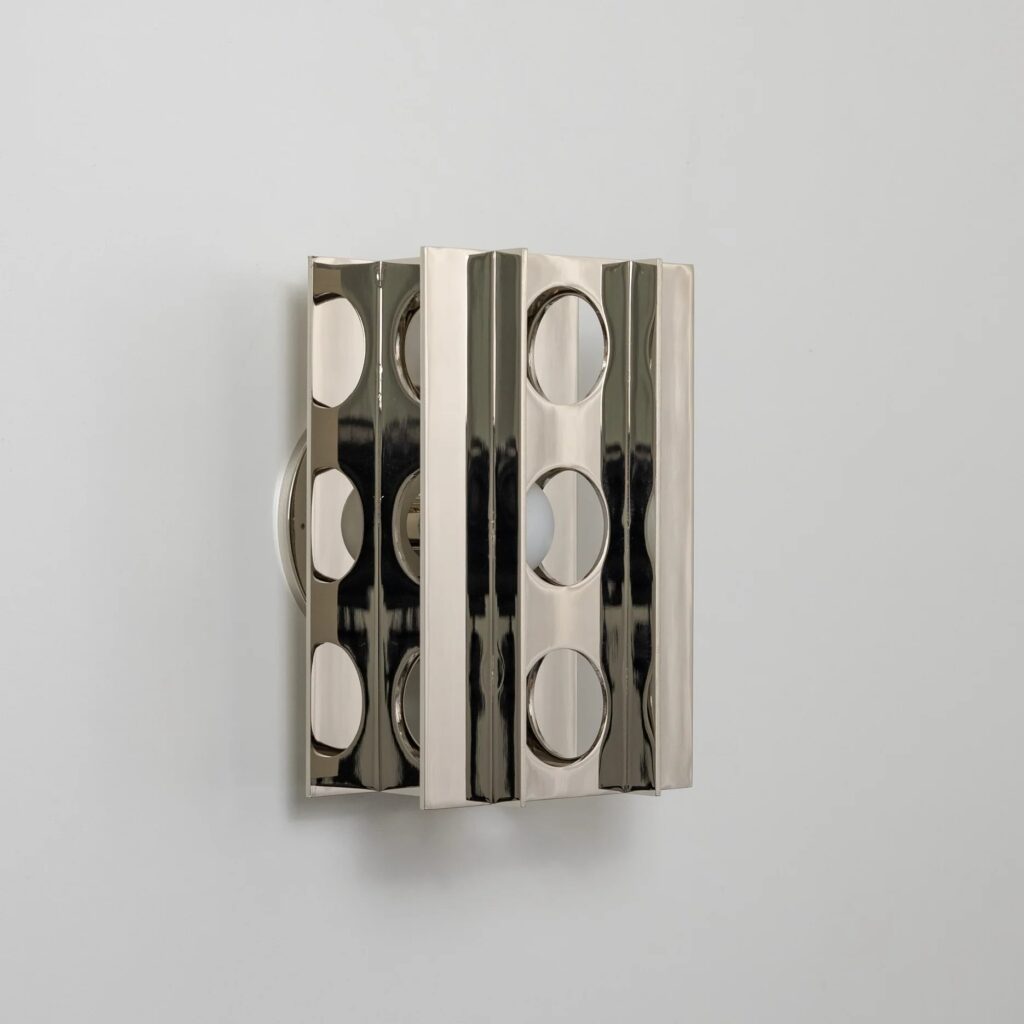
Wall sconces bring up a lot of small questions. That makes sense. They live right on the wall, often close to eye level, and they tend to show up in places where lighting matters a bit more. Beside a bed. Along a hallway. Next to a mirror.
Some questions are practical. How high should a wall sconce be mounted? How far apart should two sconces be? Others are more about how they’re used. Can they replace bedside lamps? What rooms do they work in? Do they work in a hallway or bathroom? And sometimes it’s simply about scale. What size actually feels right once it’s on the wall?
The good news is that sconces are usually pretty forgiving. A few basic ideas guide most decisions: mounting height, spacing, and what the light is meant to do. Once those line up, the fixture tends to feel natural pretty quickly.
The questions below cover the things people ask most often when choosing or installing a wall sconce. A few placement tips, a few spacing guidelines, and some practical details that make the whole process easier to figure out. Nothing complicated. Just helpful answers so the light lands where it should.
Yes for simple swaps, otherwise hire a pro.
They require wiring and cannot be easily moved.
Most cost between 75 and several thousand dollars each.
Usually 100 to 250 dollars for a simple replacement.
About 300 to 800 lumens depending on use.
A wall light with two bulbs or shades on one fixture.
A wall light placed beside a bathroom mirror.
A wall mounted light installed next to a bed.
A wall light with an arm that extends the bulb away from the wall.
No. Modern wall sconces are widely used in contemporary interiors
A wall-mounted light fixture that shines outward from the wall.
Wall sconces should be sized to the wall, usually about 8–12 inches tall, but it can vary wildly.
To see additional FAQs sorted into light fixture types, rooms, and basic lighting topics, see Frequently Asked Questions About Lighting.