
One of the biggest bedroom lighting mistakes is relying on a single overhead light and calling it done. It works, technically. The room is bright. But at night it can feel stark and unforgiving, especially when you are trying to relax. Bedrooms almost always feel better with layers instead of one bright source in the middle of the ceiling.
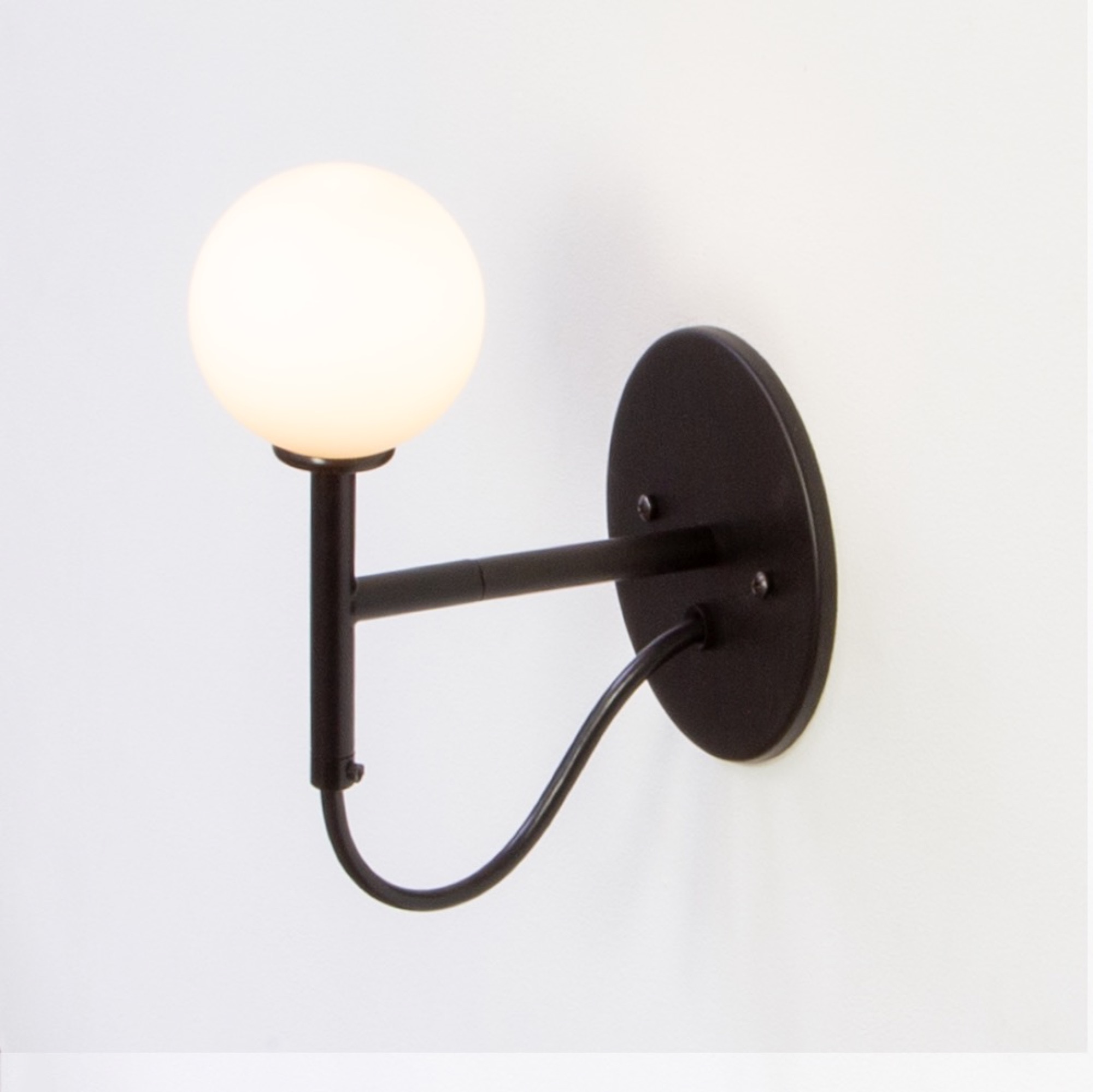
Another common issue is skipping bedside lighting. Without a lamp or sconce near the bed, your only option might be the ceiling light across the room. That means getting out of bed just to turn it off, which is not ideal when you are already half asleep. A light within reach makes the space feel more practical and more comfortable.
Lamp height is one of those small details that makes a big difference. If the lamp is too tall, the bulb can hit you right in the eyes when you sit up. Too short, and the light barely reaches your book. Ideally, the bottom of the shade lines up close to eye level when you are seated. When that is right, the light feels natural instead of distracting.
Brightness is another factor. Very bright bulbs can make a bedroom feel more like an office than a place to unwind. Softer, warmer light tends to feel calmer in the evening and easier to live with.
And then there are dimmers. Many bedrooms do not have them, but they change everything. Being able to adjust the light from bright in the morning to low and warm at night makes the room far more usable.
Most bedroom lighting problems are not dramatic. They are just a matter of balance. A ceiling light, something by the bed, and one extra soft source usually does the trick.