
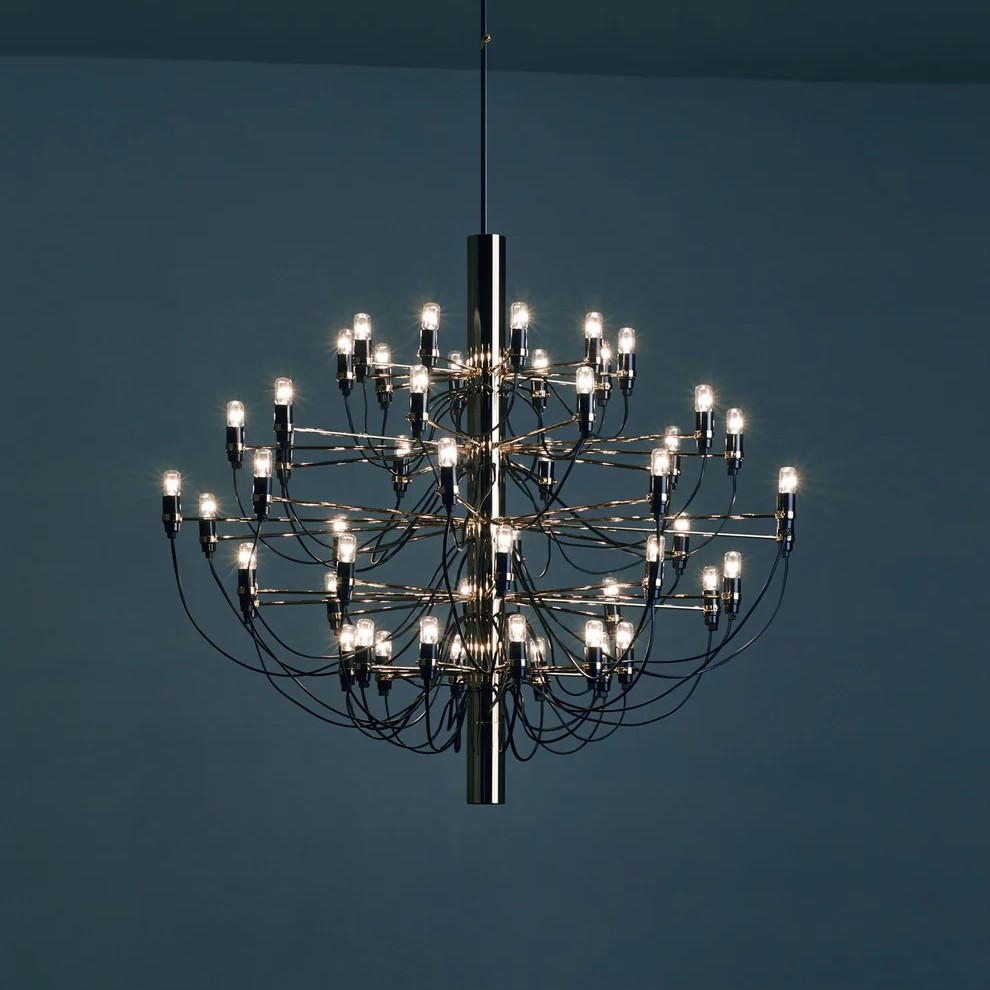
Most chandelier mistakes are not about style. They are about proportion.
The most common issue is size. A chandelier that is too small can look like it is floating in a large dining room with no real presence. One that is too big can feel heavy and crowded, especially in a room with lower ceilings. Measuring the room and the table before buying makes a big difference.
Hanging height is another frequent problem. Over a dining table, the bottom of the chandelier usually sits about 30 to 36 inches above the surface. Hang it too high and it loses its connection to the table. Hang it too low and it interferes with sightlines and conversation.
Placement matters as well. The chandelier should align with the table or main focal point, even if that is not the exact center of the room. If it is centered on the ceiling but not the table below, the imbalance is noticeable.
Another mistake is relying on the chandelier as the only source of light. Most rooms feel better with layered lighting. Wall lights, recessed lighting, or lamps can soften shadows and create a more even glow.
Finally, people sometimes overlook weight and support. Not every ceiling box can hold a heavy chandelier.
Careful measuring and planning solve most of these issues before the fixture even goes up.