
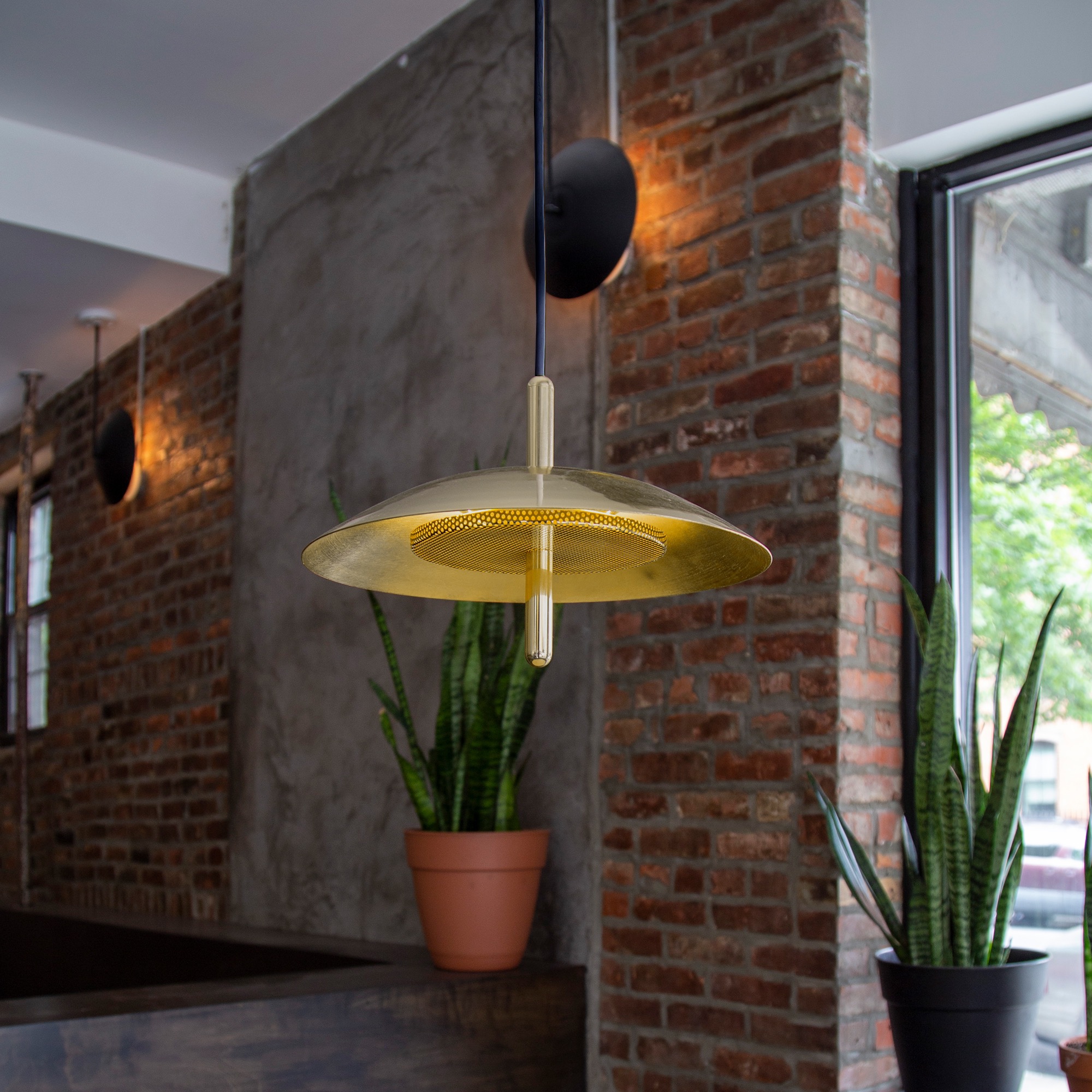
Commercial lighting is moving away from purely functional solutions and toward something more intentional. It still has to perform, but now it’s expected to contribute to how a space feels.
LED technology continues to lead the shift. Instead of just swapping out bulbs, fixtures are being designed around LEDs from the start. That allows for slimmer profiles, cleaner lines, and better light control.
Smart lighting systems are becoming more common, too. Occupancy sensors, daylight harvesting, and app-based controls help reduce energy use without constant manual adjustments. In larger buildings, that adds up quickly.
Layered lighting is another big trend. Designers are moving beyond uniform overhead grids and combining ambient, task, and accent lighting. The result feels more comfortable and visually interesting.
There’s also a stronger focus on human-centered design. Lighting that supports natural rhythms, reduces glare, and pairs well with daylight can improve comfort and productivity.
And in many commercial spaces, decorative fixtures are no longer limited to hospitality. Offices, coworking spaces, and retail stores are incorporating sculptural lighting to reinforce brand identity.
The common thread across these trends is flexibility. Lighting isn’t just about meeting minimum brightness levels anymore. It’s about creating environments where people can focus, gather, shop, or relax, and feel good doing it.