
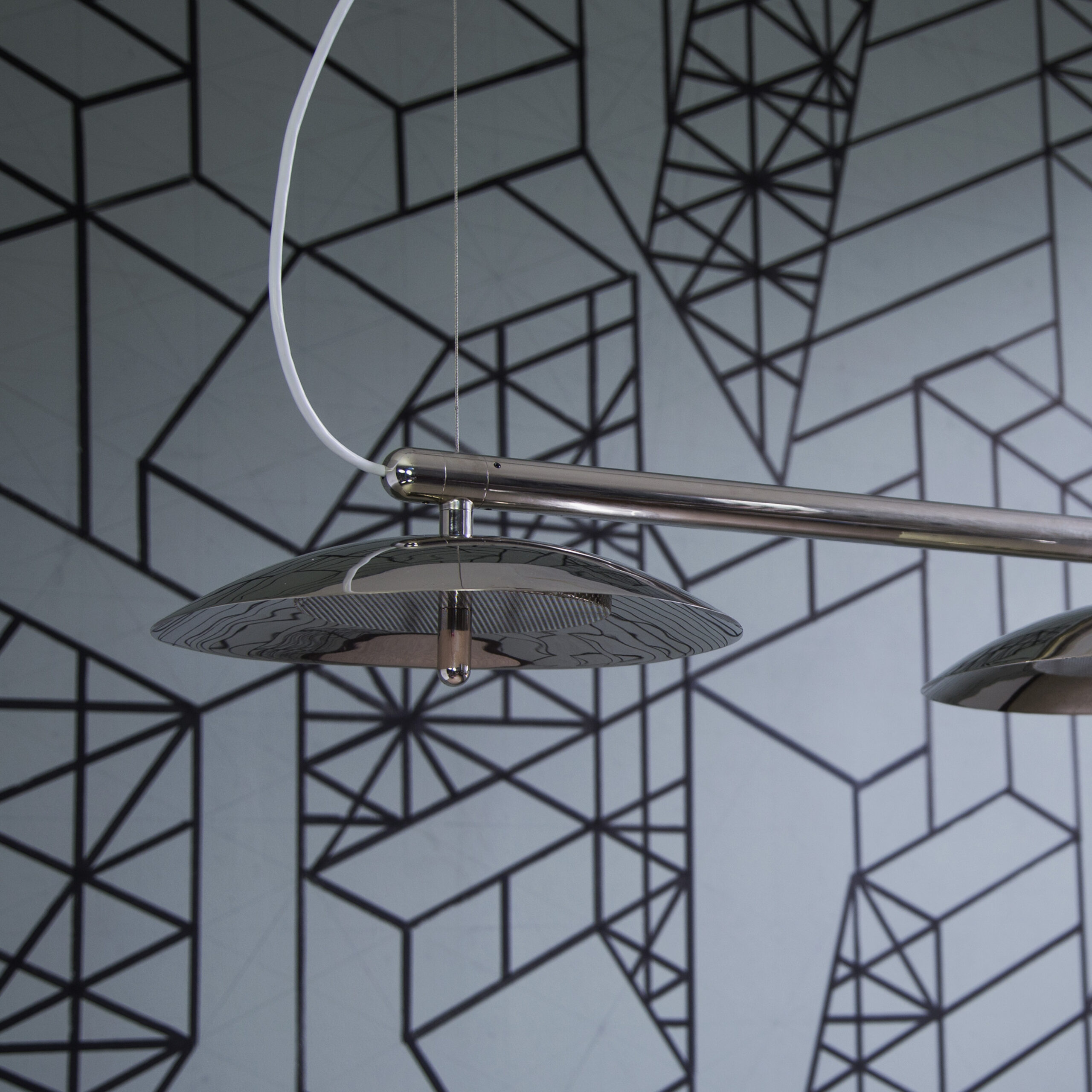
Good home office lighting really comes down to a few simple ideas.
First, don’t rely on just one light source. A single overhead fixture tends to create shadows and uneven brightness. Instead, layer your lighting. Use ceiling light for general brightness and a desk lamp for focused tasks. That combination alone makes a big difference.
Second, pay attention to glare. Screens already emit light, so you don’t want reflections bouncing across them. Avoid placing bright lights directly behind or in front of your monitor. Softer, diffused lighting off to the side usually feels better.
Third, think about brightness levels. Your room should feel evenly lit without sharp contrasts between bright and dark areas. When the room is too dim compared to your screen, your eyes constantly adjust, which gets tiring fast.
Color temperature matters too. Cooler tones can help you stay alert during the workday. Warmer tones can be useful later in the afternoon when you’re winding down.
And finally, build in flexibility. Dimmers, adjustable lamps, or even movable fixtures give you options as the daylight shifts or your tasks change.
The main principle is comfort. If you can sit and work for hours without eye strain or headaches, your lighting is doing its job.