
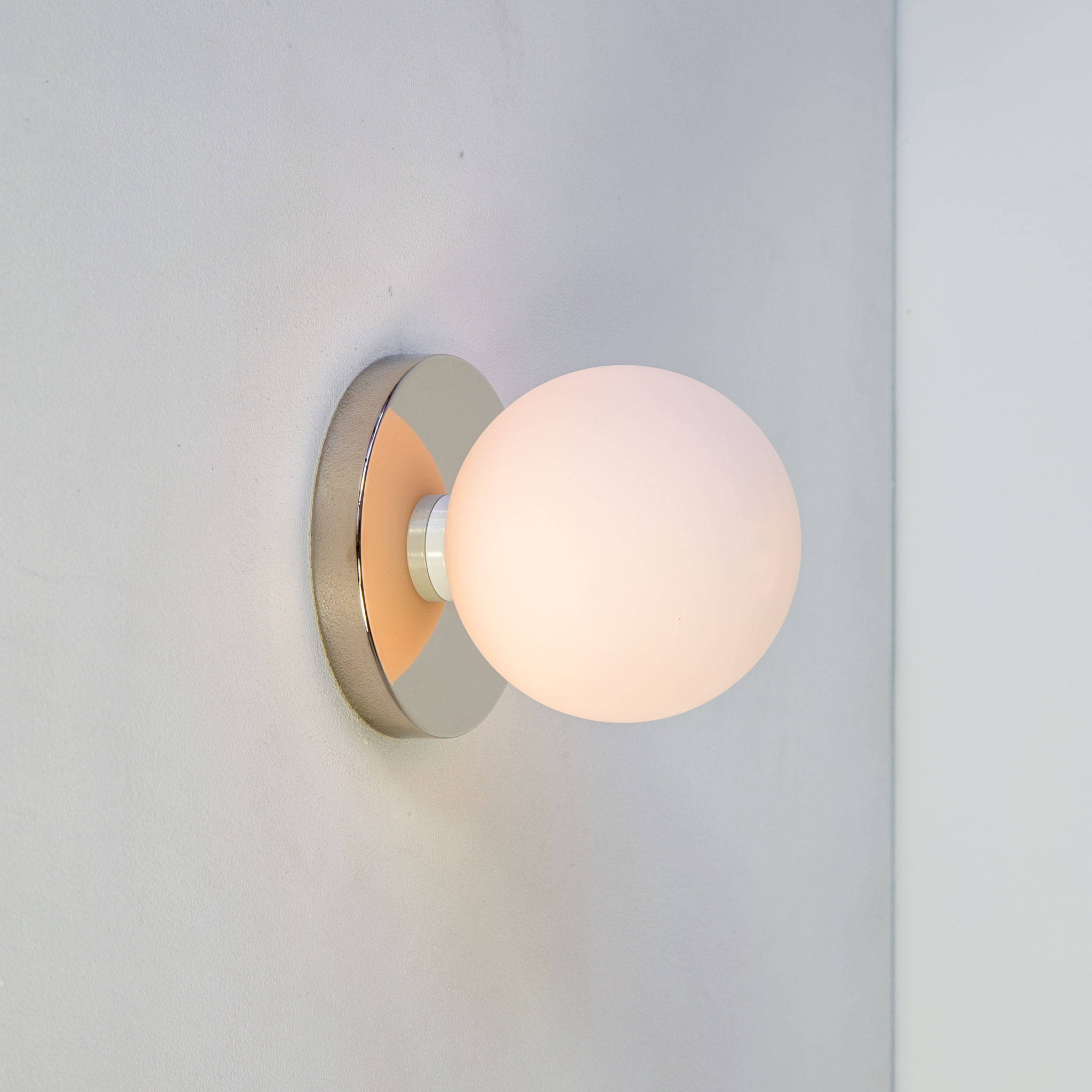
Light is a form of visible energy that allows us to see objects, color, texture, and movement. Without it, our eyes cannot interpret the world around us. In the context of interiors and light fixtures, however, light is more than a scientific concept. It is the material that defines how a space feels.
Light travels from a source, reflects off surfaces, and enters our eyes. That reflection determines how we perceive depth, brightness, and contrast. A smooth white wall reflects light differently than a dark textured surface. A glossy table will bounce light sharply, while fabric absorbs and softens it.
Natural light from the sun shifts throughout the day, changing tone and intensity. Artificial light, produced by bulbs and LEDs, gives us control. Through fixtures, we decide where light falls, how strong it is, and whether it feels warm or cool. Direction alters shadow. Shadow alters mood. Brightness influences energy levels and comfort.
This is why lighting design matters. The same room can feel open and active under bright, evenly distributed light, or calm and intimate when illumination is lower and more focused. Fixtures are tools that shape light’s path and character.
At its core, light is energy made visible. In design, it becomes something you can guide, soften, intensify, and frame to change how a space is experienced.