
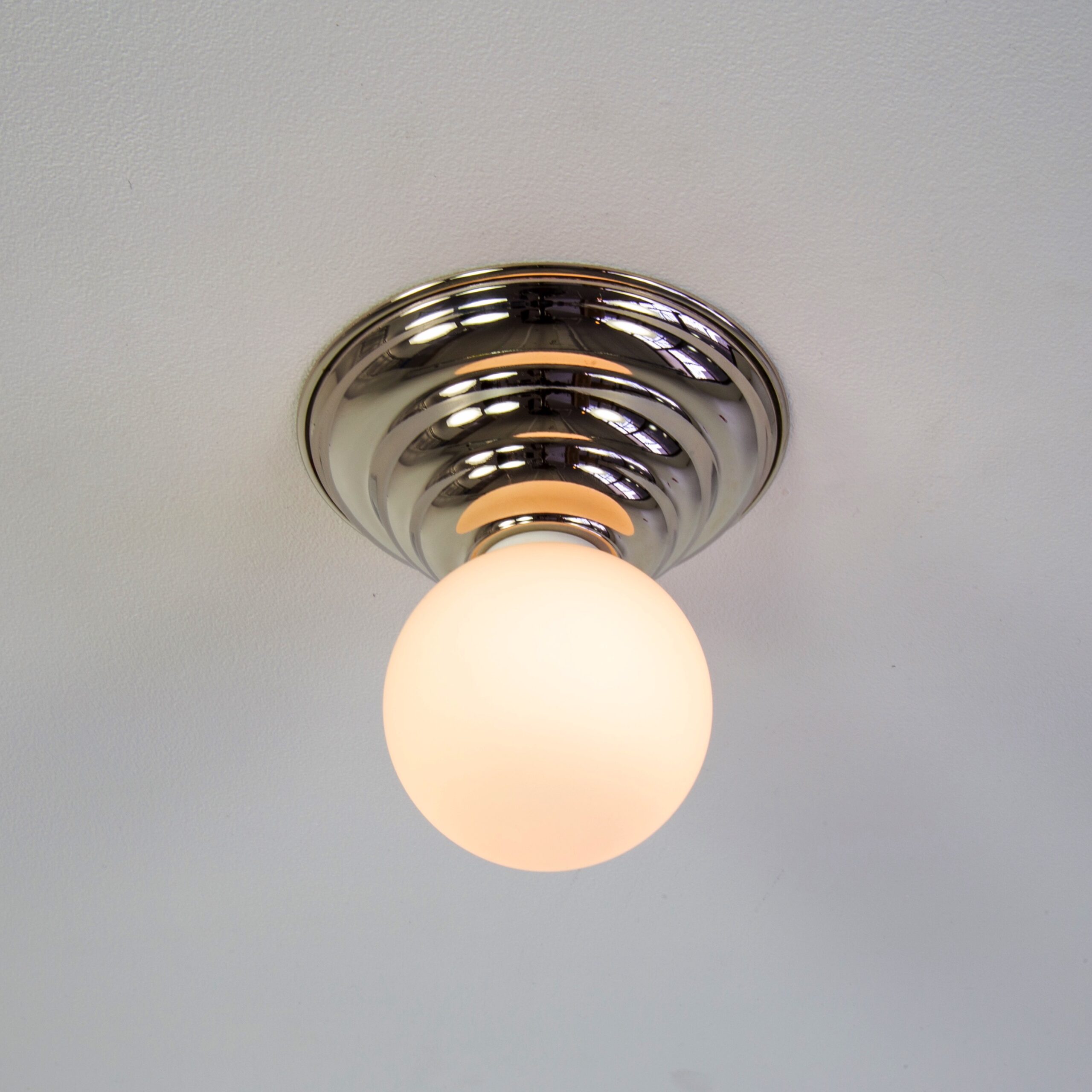
If you are looking at a bulb rated at 250 lumens, you are in the lower range of household brightness. It is not a night light, but it is also not strong enough to carry a full room on its own.
The key is understanding where 250 lumens fits on the brightness scale and how that compares to the old watt numbers most of us grew up with.
How Brightness is Measured
Lumens measure brightness. The higher the number, the more light you see. It is a straightforward measurement of output.
Watts measure energy use. Back when incandescent bulbs were standard, higher watts usually meant more brightness because those bulbs needed more electricity to produce more light. A 60 watt bulb was brighter than a 40 watt bulb for that reason.
With LED bulbs, that shortcut does not work anymore. You can get different brightness levels while using very little power. So today, lumens tell you how bright it will look. Watts tell you how much electricity it will use.
How Many Watts is 250 Lumens? What is 250 Lm in Watts?
There is no perfect conversion, but there are solid comparisons you can use.
An old incandescent bulb that produced around 250 lumens used about 25 watts.
A CFL at that brightness usually used somewhere between 5 and 7 watts.
An LED that produces 250 lumens often uses just 2 to 4 watts.
If you are replacing a 25 watt incandescent bulb, look for an LED labeled around 250 lumens. You will get similar brightness while using much less energy.
Is 250 Lumens Bright Enough? How Bright is 250 Lumens?
In real life, 250 lumens is fairly soft. It is brighter than a typical night light, but it is still considered low output compared to standard room lighting.
It works well in small table lamps, bedside fixtures, wall sconces, and accent lights. If the light is close to you, such as on a desk or nightstand, 250 lumens can be enough for light reading or relaxing in the evening. Spread out across a large room, though, it will feel dim.
In hallways or entryways, it can offer gentle illumination without being harsh. In decorative fixtures, it adds just enough visibility to highlight a space without overpowering it. It is often chosen when the goal is atmosphere rather than brightness.
Compared to 500 or 800 lumens, 250 is clearly softer. It sits in that middle ground between decorative glow and practical light.
So What Makes Sense for Your Space?
If you are swapping out a 25 watt bulb, 250 lumens is the number to remember. It gives you that familiar moderate glow, especially when paired with LED.
The important part is using it in the right spot. Small lamp close by. It works. Large living room overhead fixture. Not enough. Once you match the brightness to the size and purpose of the room, the decision feels pretty straightforward.