
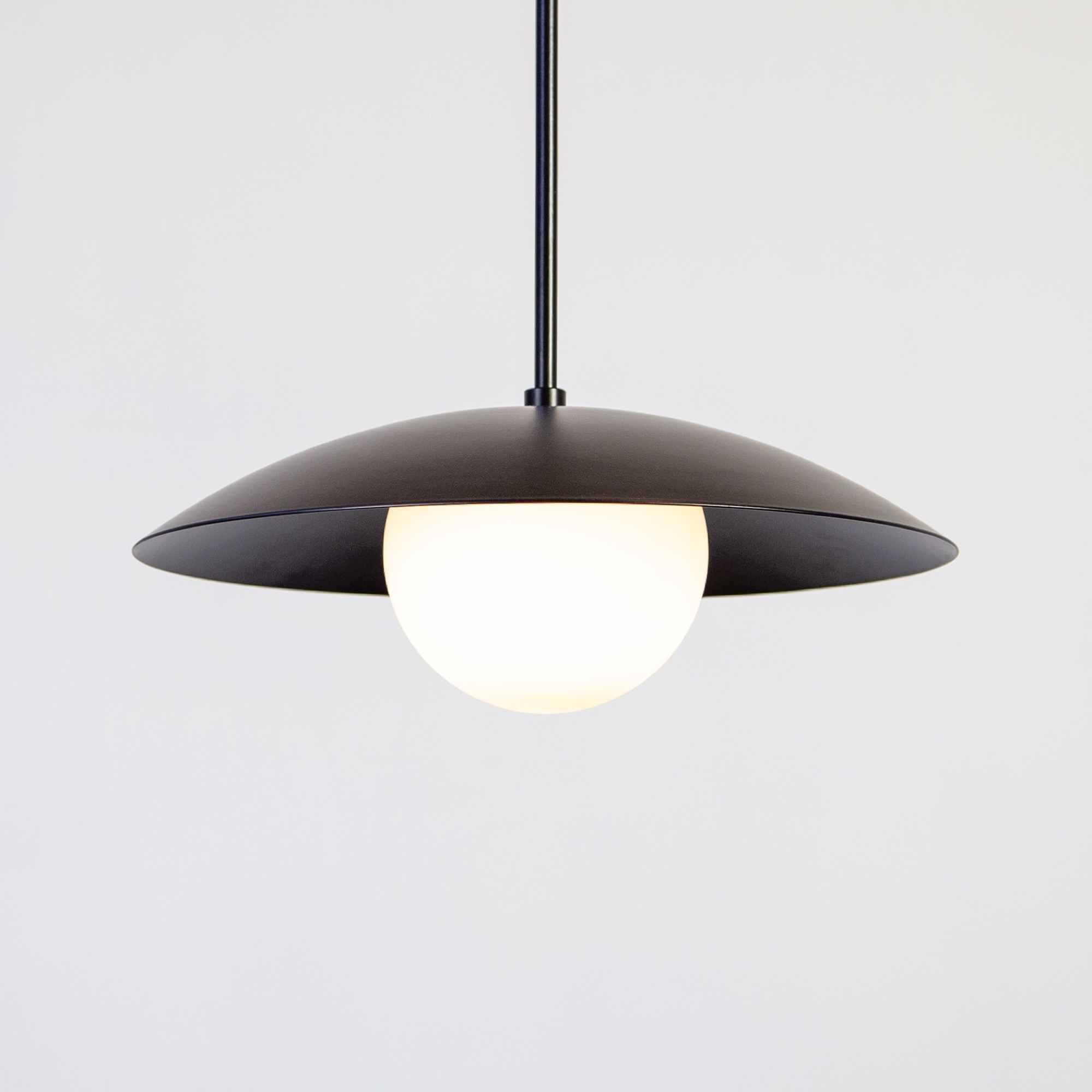
If you are looking at a bulb rated at 600 lumens, you are right in that middle zone. It is brighter than a soft accent light, but not quite as strong as the standard 60 watt equivalent bulb most people use in living rooms.
The real question is what 600 lumens actually feels like in a room and how it compares to watts. Once you understand that, it is much easier to decide if it is enough for your space.
How Brightness is Measured
Lumens measure brightness. The higher the number, the more light you get. It is simply a measure of how much visible light comes out of the bulb.
Watts measure how much electricity the bulb uses. Years ago, wattage was a rough guide to brightness because incandescent bulbs needed more power to shine brighter. A 60 watt bulb was brighter than a 40 watt bulb for that reason.
With LED bulbs, that shortcut does not work anymore. You can get solid brightness while using far less energy. So when you shop for bulbs now, lumens tell you how bright it will look. Watts tell you how much power it will draw.
How Many Watts is 600 Lumens? What is 600 Lm in Watts?
There is no exact conversion, but there are good comparisons.
An old incandescent bulb that produced around 600 lumens used about 40 to 45 watts.
A CFL at 600 lumens usually used somewhere between 10 and 13 watts.
An LED that produces 600 lumens typically uses around 6 to 9 watts.
If you are replacing a 40 watt incandescent bulb, look for an LED labeled close to 600 lumens. You will get a similar level of brightness while using much less electricity.
Is 600 Lumens Bright Enough? How Bright is 600 Lumens?
In everyday use, 600 lumens is moderate light. It is strong enough for normal activities, but it will not flood a large room.
This level works well in bedside lamps where you want enough light to read without feeling blasted. It is also a good fit for table lamps in smaller living rooms, wall sconces in hallways, and pendant lights over a small dining table. In a home office, 600 lumens can work for general lighting if you also have task lighting on your desk.
On its own, 600 lumens will probably feel too dim for a large kitchen or open plan space. In those cases, it works better as part of a layered setup, combined with other fixtures to spread the light around.
Compared to 500 lumens, it gives you a little more flexibility for reading and daily tasks. Compared to 800 lumens, it feels slightly softer and more relaxed.
What Makes Sense for Your Space?
If you are swapping out a 40 watt bulb, 600 lumens is a solid match. It gives you comfortable, usable light without going too bright.
The key is thinking about the size of the room and what you actually do there. Small bedroom or reading corner. It works. Large busy kitchen. You will probably want more. Once you start paying attention to lumens instead of watts, choosing the right brightness feels a lot less complicated.