
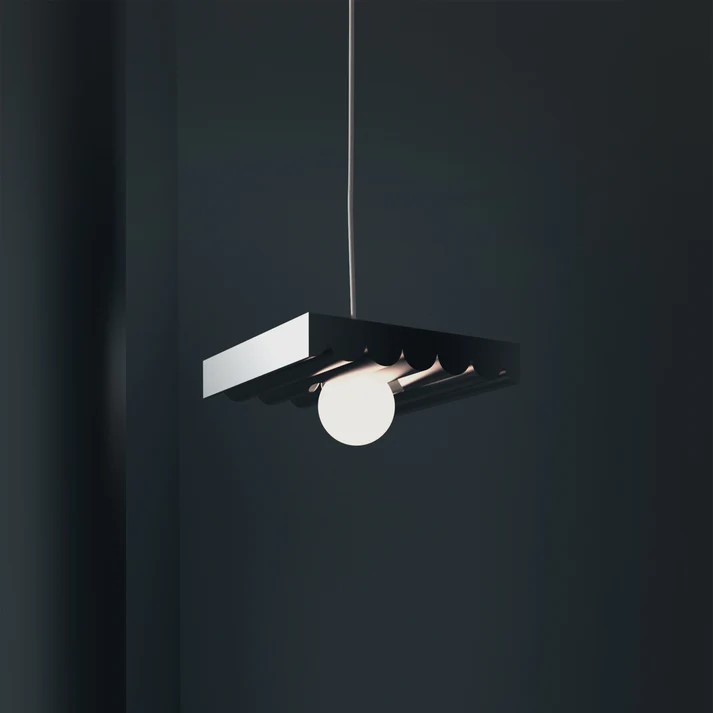
If you are looking at a 400 lumen bulb, you are in that softer range of household lighting. It is brighter than a night light, but it is not strong enough to light up a whole living room on its own.
The main things people want to know are how it compares to watts and whether it is bright enough for what they need. Once you picture where 400 lumens sits on the scale, it starts to make more sense.
What Lumens Really Tell You
Lumens are simply a measure of brightness. The higher the number, the more light you will see in the room.
Watts measure how much electricity a bulb uses. Years ago, with incandescent bulbs, wattage gave you a rough idea of brightness. A 60 watt bulb was brighter than a 40 watt bulb because it used more power to produce more light.
That is not how it works anymore. LED bulbs can give you the same brightness while using far less electricity. So when you shop for bulbs now, lumens tell you how bright it will feel. Watts tell you how much energy it will draw.
How Many Watts is 400 Lumens? What is 400 Lm in Watts?
There is no exact match, but here is a practical guide.
An old incandescent bulb producing around 400 lumens used about 25 to 30 watts.
A CFL at 400 lumens usually used somewhere between 8 and 11 watts.
An LED producing 400 lumens typically uses around 4 to 6 watts.
If you are replacing a 25 or 30 watt incandescent bulb, look for an LED labeled close to 400 lumens. You will get a similar level of light while using much less electricity.
Is 400 Lumens Bright Enough? How Bright is 400 Lumens?
In real life, 400 lumens feels soft but usable. It is not strong enough to serve as the only light in a large room, but it works well in the right spots.
You will often see this level in bedside lamps where you want enough light to read for a bit without lighting up the whole room. It works well in small table lamps in living rooms, especially if you have other lights on as well. Wall sconces, accent lights, and decorative fixtures often fall in this range too.
In a hallway or entryway, 400 lumens can give you gentle visibility without being harsh. In a dining room, it can add a softer layer of light when combined with brighter overhead fixtures.
Compared to 250 lumens, it is noticeably brighter and more practical. Compared to 600 lumens or 800 lumens, it is clearly more relaxed and less intense.
Where It Actually Makes Sense
If you are swapping out a 25 or 30 watt bulb, 400 lumens is the number to keep in mind. It gives you that familiar moderate glow, especially with LED.
The important part is using it in the right place. Small lamp next to a chair. It works well. Large open kitchen with one ceiling fixture. It will not be enough. Once you match the brightness to the size of the room and what you do there, the decision becomes pretty straightforward.