
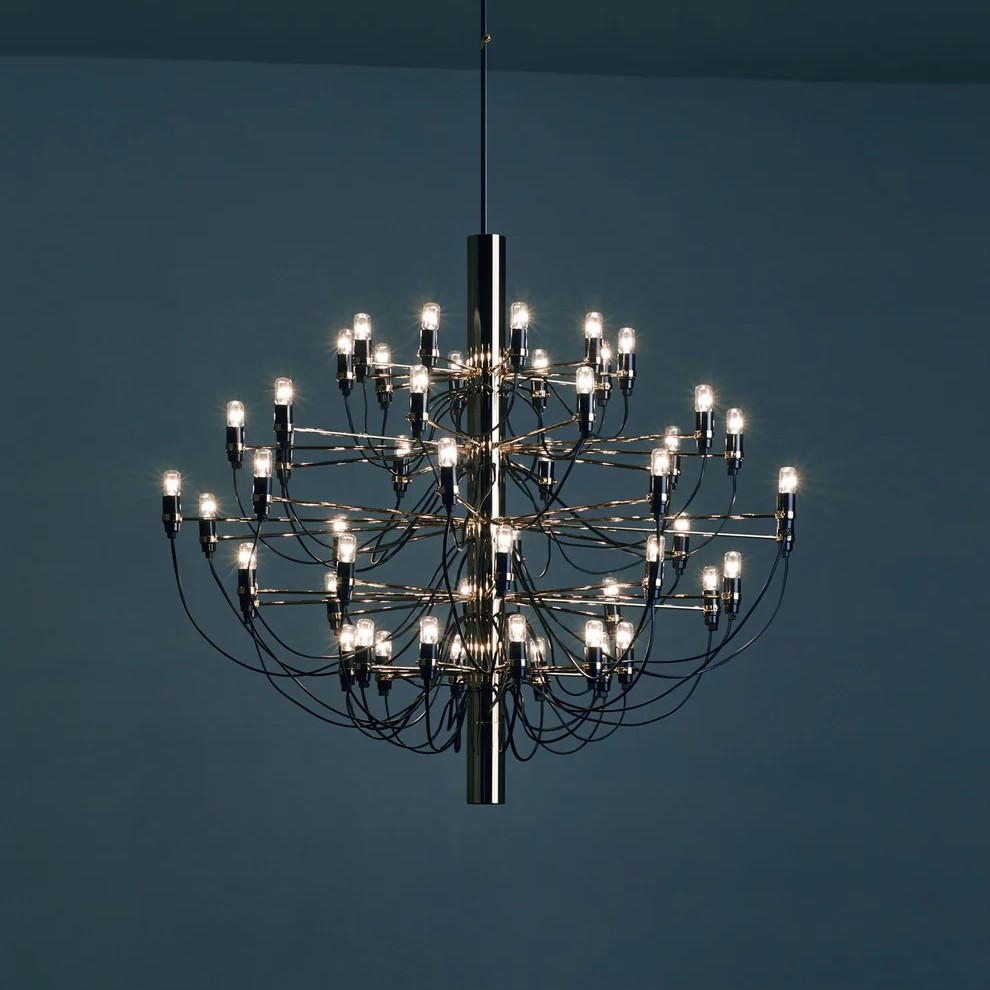
When you see 3000 lumens on a box, you are not looking at a typical household bulb. This is serious brightness. It is the kind of light that fills a big space fast and makes everything clearly visible.
Before you install something that strong, it helps to know what it really means and how it compares to the old watt system most people are used to.
What Lumens Actually Mean
Lumens measure how much light a bulb gives off. The higher the number, the brighter the space will look. It is a direct measure of light output.
Watts measure how much electricity the bulb uses. Years ago, with incandescent bulbs, higher watts usually meant brighter light because those bulbs needed more power to glow. A 100 watt bulb was brighter than a 60 watt bulb for that reason.
With LED bulbs, that shortcut no longer works. You can now get very high brightness while using much less electricity. So when you are choosing a bulb, lumens tell you how bright it will feel. Watts tell you how much energy it will use.
How Many Watts is 3000 Lumens? What is 3000 Lm in Watts?
There is no exact conversion, but here is a practical comparison.
An old incandescent bulb producing around 3000 lumens would have used roughly 200 watts or even more. That level of output was usually reserved for large fixtures or commercial settings.
A CFL producing about 3000 lumens typically used somewhere between 45 and 55 watts.
An LED producing 3000 lumens usually falls between 25 and 35 watts, depending on the design.
If you are replacing a high wattage incandescent bulb, a 3000 lumen LED will give you similar brightness with a fraction of the power draw.
Is 3000 Lumens Bright Enough? How Bright is 3000 Lumens?
In real world terms, 3000 lumens is very bright for a home. It is far beyond what you would use in a bedside lamp or small living room.
This level of light works well in large open living areas, garages, basements, workshops, and big kitchens where strong overhead lighting makes tasks easier. It is common in shop lights, high output ceiling fixtures, and powerful outdoor flood lights.
In a large garage or workspace, 3000 lumens can make a big difference. It helps reduce shadows and makes details easier to see. In a medium sized room, though, it can feel intense if it is coming from a single bulb. Without a shade or dimmer, it may create glare.
For smaller rooms meant for relaxing, 3000 lumens is usually too much. It can make the space feel harsh rather than comfortable.
Compared to 2000 lumens, it is a noticeable jump. Compared to the typical 800 lumen bulb, it is in a completely different category.
Where Does It Really Make Sense?
If you are replacing a 200 watt incandescent bulb, 3000 lumens is the range you are dealing with. With LED, you get that high output without the high energy bill.
The important thing is matching the light to the room. Big workspace or garage. It makes sense. Small bedroom or cozy den. Probably overkill. Once you understand how bright 3000 lumens actually is, it becomes much easier to decide whether you truly need that much light.