
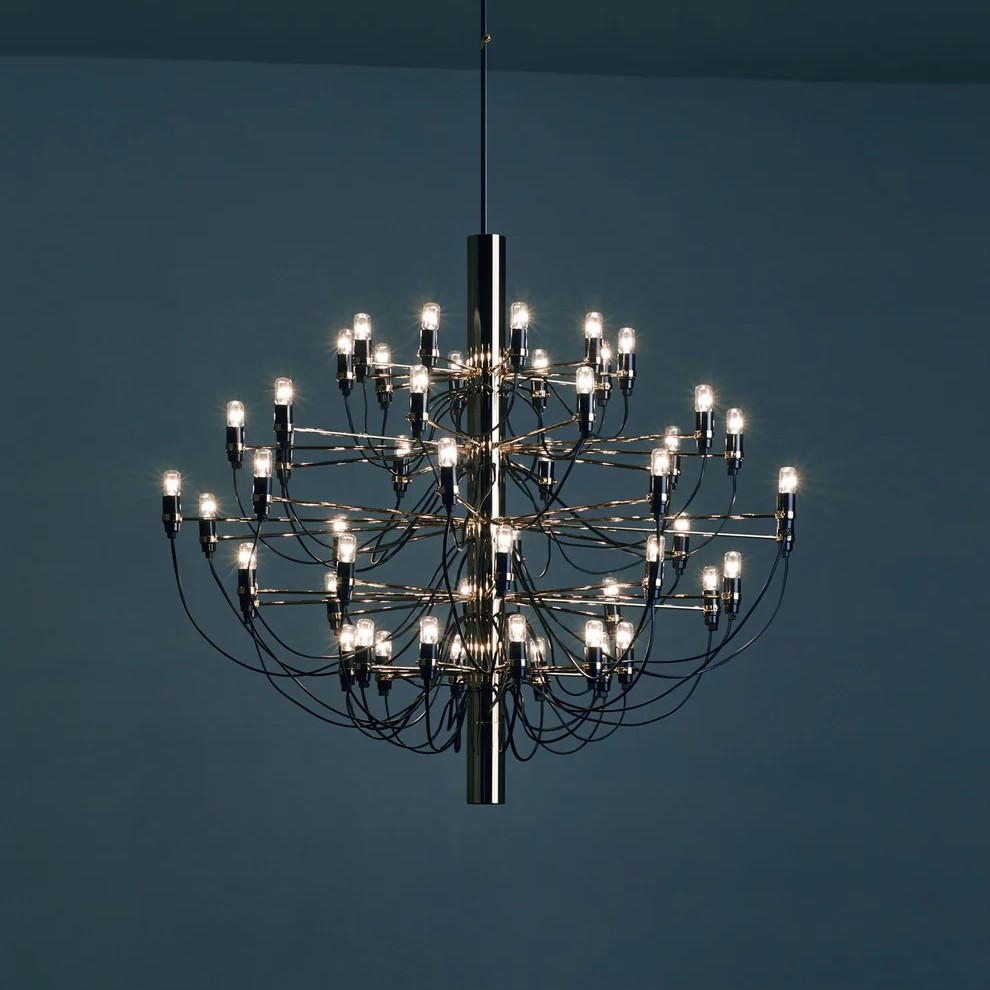
If you are considering a light rated at 4000 lumens, you are not talking about normal household lighting. This is high output, room filling brightness. It is the kind of light that can make a large space feel evenly lit from wall to wall.
Before you install something this powerful, it helps to understand what 4000 lumens really means and how it compares to the old watt numbers most people are used to.
What Lumens Really Tell You
Lumens measure how much light a bulb gives off. The bigger the number, the brighter the space will look. It is simply a measure of visible light.
Watts measure how much electricity the bulb uses. Years ago, when incandescent bulbs were standard, higher wattage usually meant brighter light because those bulbs needed more power to glow. A 100 watt bulb was brighter than a 60 watt bulb because it burned more energy.
With LED lighting, that link is no longer reliable. You can now get a very high lumen output while using far less electricity. So when you are comparing bulbs, lumens tell you what the light will feel like. Watts tell you what it will cost to run.
How Many Watts is 4000 Lumens? What is 4000 Lm in Watts?
There is no exact conversion, but here is a practical guide.
An old incandescent bulb producing around 4000 lumens would have used roughly 250 watts or even more. That level of brightness was usually found in commercial fixtures or very large spaces.
A CFL at 4000 lumens typically used somewhere between 60 and 75 watts.
An LED producing 4000 lumens usually falls between 35 and 45 watts, depending on the brand and design.
If you are replacing a high wattage incandescent fixture, a 4000 lumen LED can deliver similar brightness with much lower energy use.
Is 4000 Lumens Bright Enough? How Bright is 4000 Lumens?
In everyday terms, 4000 lumens is extremely bright for a home. It is far beyond what you would normally use in a bedroom, small living room, or table lamp.
This level works best in large garages, workshops, basements, and big open areas where strong overhead lighting makes tasks easier. It is common in LED shop lights, large ceiling panels, and powerful outdoor flood lights. In these spaces, the goal is clear visibility and fewer shadows.
In a large open plan living area, 4000 lumens could serve as the main light source, but it would likely need to be diffused or spread across multiple fixtures to avoid glare. In smaller rooms, it will almost always feel overpowering unless you have a dimmer to control it.
Compared to 3000 lumens, it is a clear step up. Compared to the typical 800 or 1000 lumen bulb, it is in a completely different range.
Where It Actually Makes Sense
If you are replacing a 250 watt incandescent bulb, 4000 lumens is the range to look for. With LED, you get that intense brightness without the huge energy draw.
The important part is matching the light to the space. Large garage or serious workspace. It fits. Small bedroom meant for relaxing. It is probably too much. Once you understand how bright 4000 lumens really is, the decision becomes much easier.